October 15th, 2026
Monitoring, patching, helpdesk, backup: a plain look at what managed services cover, what they leave out, and what to ask before signing an agreement.
Read Full Story »
Posted in: Managed IT
October 1st, 2026
How modern communication solutions shape the caller's experience: routing, shorter queues, CRM screen-pop, and omnichannel service that keeps customers.
Read Full Story »
Posted in: Phone Systems
September 15th, 2026
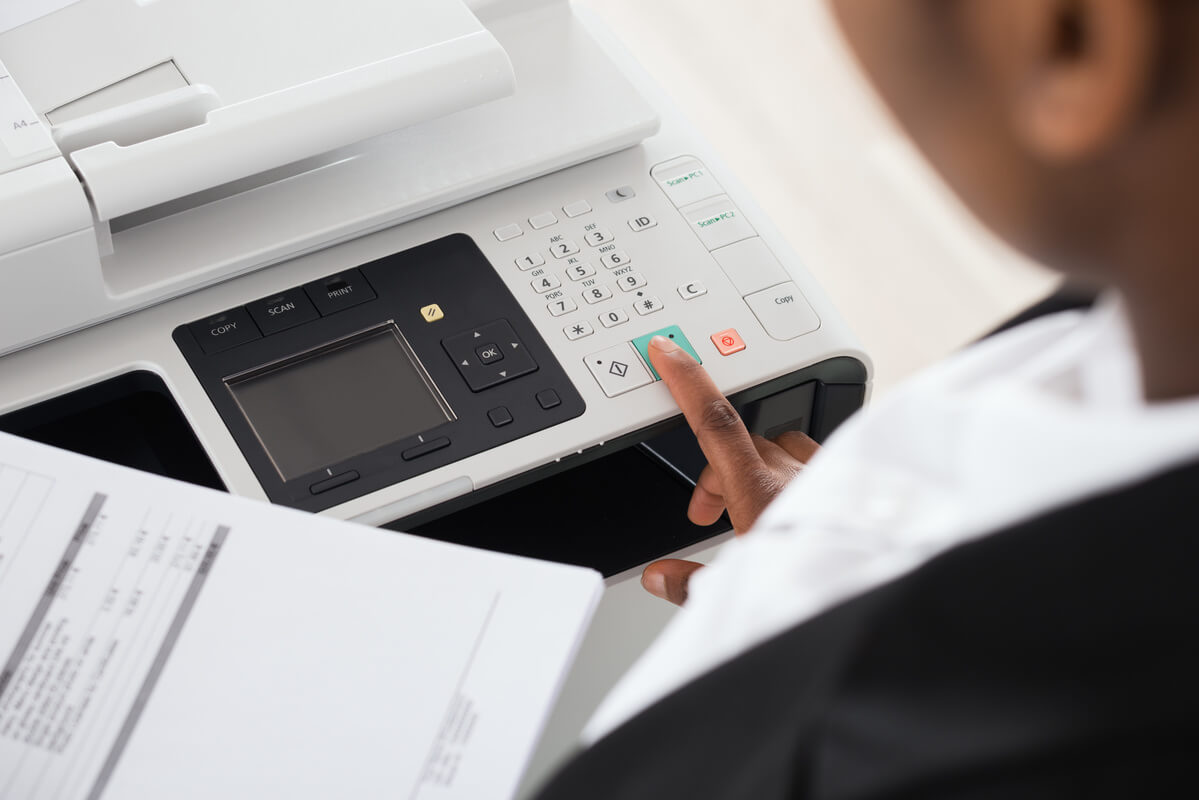
Here's the uncomfortable truth: modern printers and copiers are essentially computers with hard drives, memory, network connections, and even internet access.
Read Full Story »
Posted in: Managed IT
September 1st, 2026
Implement user authentication, encryption for sensitive files, and regular backups. Time savings: Document retrieval that once took minutes now takes seconds.
Read Full Story »
Posted in: Document Management
August 15th, 2026
Long-term partners prevent them. When you've worked with the same technology provider for years, they can spot potential issues before they become emergencies.
Read Full Story »
Posted in: Managed IT
August 1st, 2026
Follow a typical process from start to finish - say, processing an invoice or onboarding a new client. These manual handoffs are your integration opportunities.
Read Full Story »
Posted in: Managed IT
July 15th, 2026
When your office copier jams at 4:45 PM on a Friday afternoon, or your entire phone system goes down during peak business hours, who do you call? Let us help.
Read Full Story »
Posted in: Managed IT
July 1st, 2026
These changes require virtually no investment but can reduce supply consumption by 20-40%. Your employees might not realize how much printing actually costs.
Read Full Story »
Posted in: Ink & Toner
June 15th, 2026
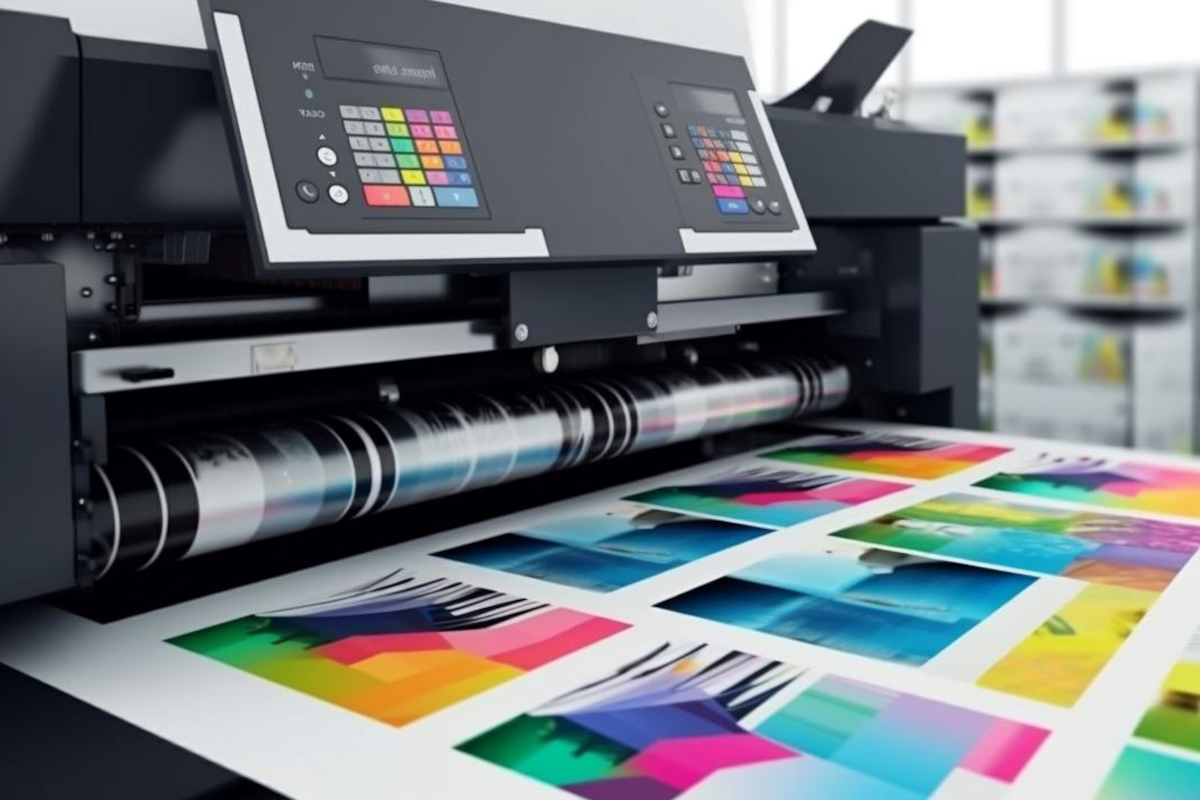
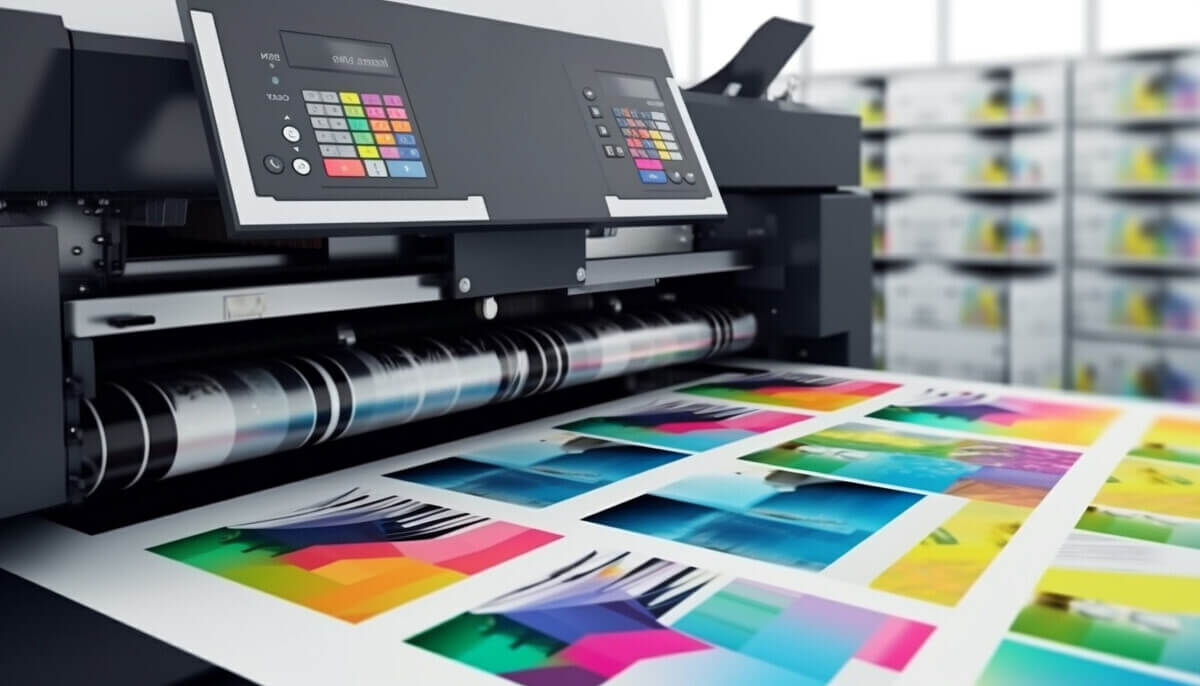
Modern large format printers utilize advanced inkjet technology to deliver stunning color accuracy and sharp detail, even on oversized materials. Call us now.
Read Full Story »
Posted in: Printers & Copiers
June 1st, 2026
Look for solutions that integrate with the other tools your business relies on. CRM integration means customer information automatically pops up when they call.
Read Full Story »
Posted in: Phone Systems
May 15th, 2026
Established providers maintain relationships with leading manufacturers, accessing the latest technology and competitive pricing. Don't rush this decision.
Read Full Story »
Posted in: Printers & Copiers
May 1st, 2026
When your New Orleans business is experiencing growth, it's an exciting time—but it can also expose weaknesses in your technology infrastructure. Call us today.
Read Full Story »
Posted in: Managed IT
April 15th, 2026
If you're tired of wrestling with office technology headaches and want to focus on growing your business, it's time to consider managed services from U.S. Copy.
Read Full Story »
Posted in: Managed IT
April 1st, 2026
Now, with digital document management, we've cut that time by 75%. Our team can collaborate more effectively, and we've significantly reduced our paper usage.
Read Full Story »
Posted in: Document Management
March 16th, 2026
Whether you're looking to upgrade your fax capabilities or embark on a complete digital transformation of your document processes, U.S. Copy is here to help.
Read Full Story »
Posted in: Phone Systems
March 2nd, 2026
We're not just service providers; we're your neighbors and fellow business owners. Our commitment goes beyond providing top-notch IT solutions. Give us a call.
Read Full Story »
Posted in: Managed IT
February 17th, 2026
Determine which documents need to be scanned immediately and which can be digitized over time. Create a consistent system for naming files and adding metadata.
Read Full Story »
Posted in: Document Management
February 4th, 2026
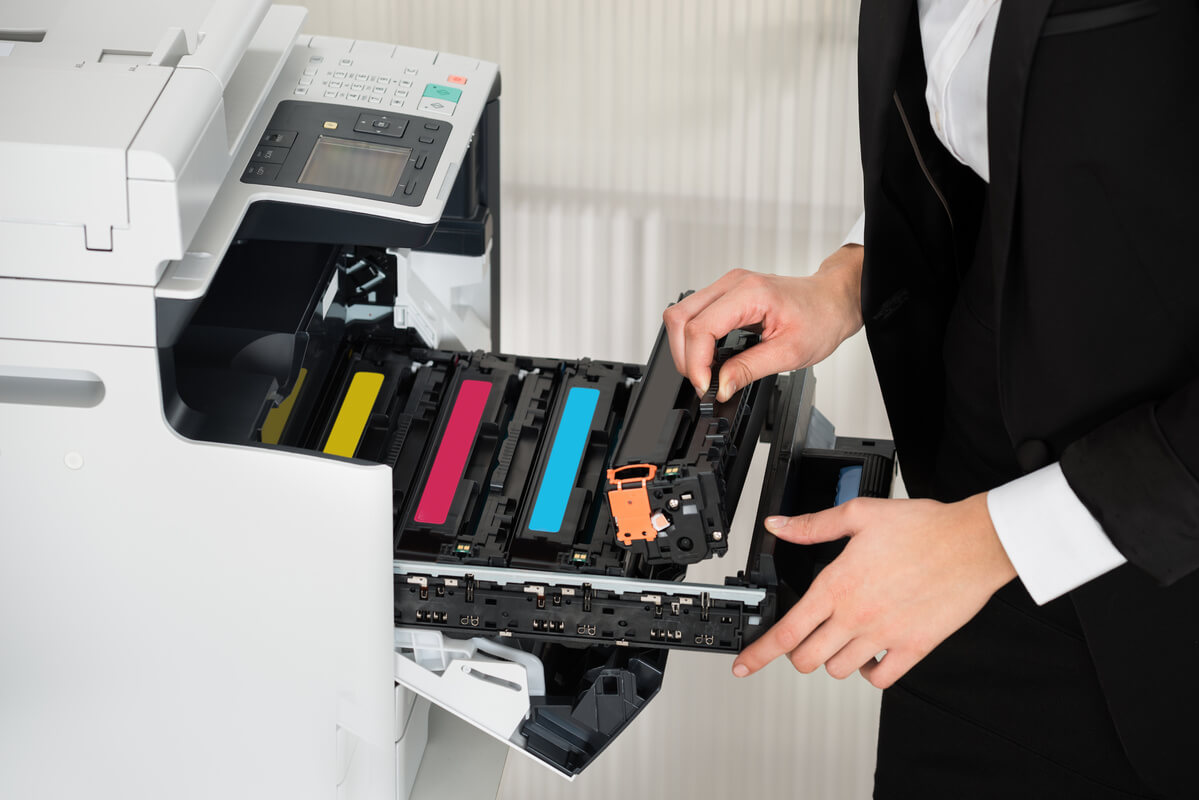
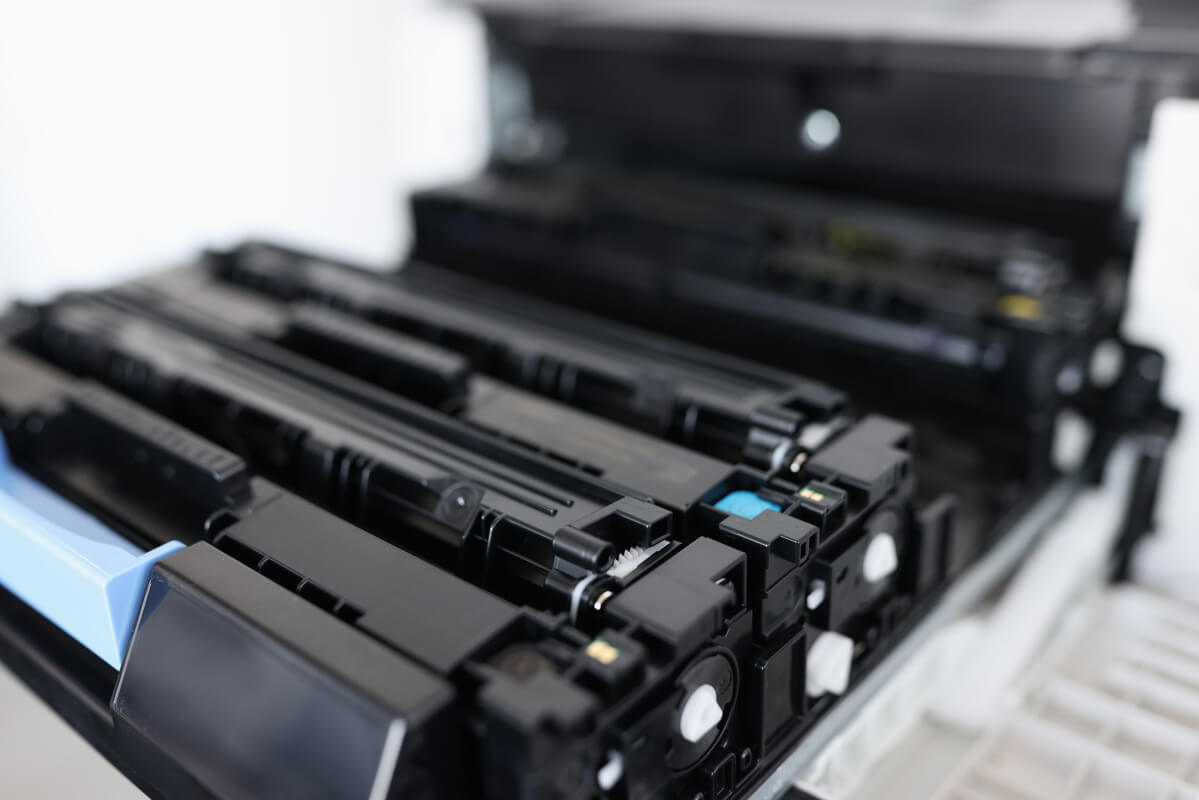
Quality printing plays a crucial role in bringing ideas to life and keeping operations running smoothly. Don't let empty cartridges slow down your productivity.
Read Full Story »
Posted in: Ink & Toner
January 21st, 2026
New Orleans offices, especially in historic buildings, often grapple with space constraints. By digitizing your documents, you can free up valuable real estate.
Read Full Story »
Posted in: Document Management
January 3rd, 2026
Gone are the days of being tethered to your desk to print. Many of our laser printers offer cloud connectivity, allowing you to print from anywhere, anytime.
Read Full Story »
Posted in: Printers & Copiers
December 18th, 2025
However, for many businesses, especially in industries like healthcare, legal, and finance, fax machines continue to play a crucial role in daily operations.
Read Full Story »
Posted in: Phone Systems
December 4th, 2025
In the fast-paced business world of New Orleans, time is money. With a large format printer at your disposal, you can produce high-quality prints on demand.
Read Full Story »
Posted in: Printers & Copiers
November 17th, 2025
Outsourcing your IT management to a reliable local provider like U.S. Copy can offer significant cost savings compared to maintaining an in-house IT department.
Read Full Story »
Posted in: Managed IT
November 3rd, 2025
In the end, the ink and toner you choose are more than just supplies - they're an investment in your business's productivity, professionalism, and bottom line.
Read Full Story »
Posted in: Ink & Toner
October 27th, 2025
Support and training: What kind of assistance does the provider offer? At U.S. Copy, we've been serving the New Orleans business community for over 40 years.
Read Full Story »
Posted in: Document Management
October 14th, 2025
We've got exciting news to share with our New Orleans business community: U.S. Copy, Inc. is now proud to offer Wellysys water products from Culligan Quench!
Read Full Story »
March 15th, 2025
It needs to keep up with the pace of your workspace. Speaking of scanning, do you need to scan documents easily and send them to an email address? Let us help.
Read Full Story »
Posted in: Printers & Copiers
June 10th, 2024
Now there are two main tactics that a toner phoner will use, their goal being to either steal from you, or provide you with faulty merchandise. Contact us now.
Read Full Story »
Posted in: Ink & Toner
November 17th, 2023
Have you ever tried to follow a literal paper trail? You will flip through mountains of binders to reach an old filing cabinet that may not have what you need.
Read Full Story »
Posted in: Document Management
September 21st, 2023
We've touched on the space savings, but we really want to hit it home for you. Entire workstations are taken up by fax machines, scanners, printers and copiers.
Read Full Story »
Posted in: Printers & Copiers
July 11th, 2022
Contact us today to get expert assistance and personalized recommendations that will help you find the ideal printer to meet your needs perfectly! Call us now.
Read Full Story »
Posted in: Printers & Copiers
June 21st, 2022
You'll breathe easy; the printer won't budge until you get there, enter your own numerical code, and head back to your office. Reach out to our team today.
Read Full Story »
Posted in: Managed Print
May 25th, 2022
Older machines in your office could be draining energy every day, adding up year after year into a disaster for your budget-and the environment. Call us today.
Read Full Story »
Posted in: Document Management
March 15th, 2022
That's why it's imperative that companies support mobile devices in the workplace, making it easier for employees to boost their output. Get in touch today.
Read Full Story »
Posted in: Managed Print
March 3rd, 2022
If you're a photographer or regularly print photos, you know that your printer quality matters just as much as the quality of your camera. Reach out today.
Read Full Story »
Posted in: Ink & Toner
February 23rd, 2022
Whether it's through added maintenance, buying expensive ink, or in labor hours, your costs with a copier should not be increasing. Start the conversation.
Read Full Story »
Posted in: Printers & Copiers
January 20th, 2022
However, people make mistakes-that is just a reality of life. That is why automation works so well in the manufacturing industry. Get in touch with us today.
Read Full Story »
Posted in: Document Management
January 13th, 2022
Luckily, small in stature doesn't have to mean weak in functions. Networking capabilities: You'll want a modern copier that can be connected to your network.
Read Full Story »
Posted in: Printers & Copiers
January 6th, 2022
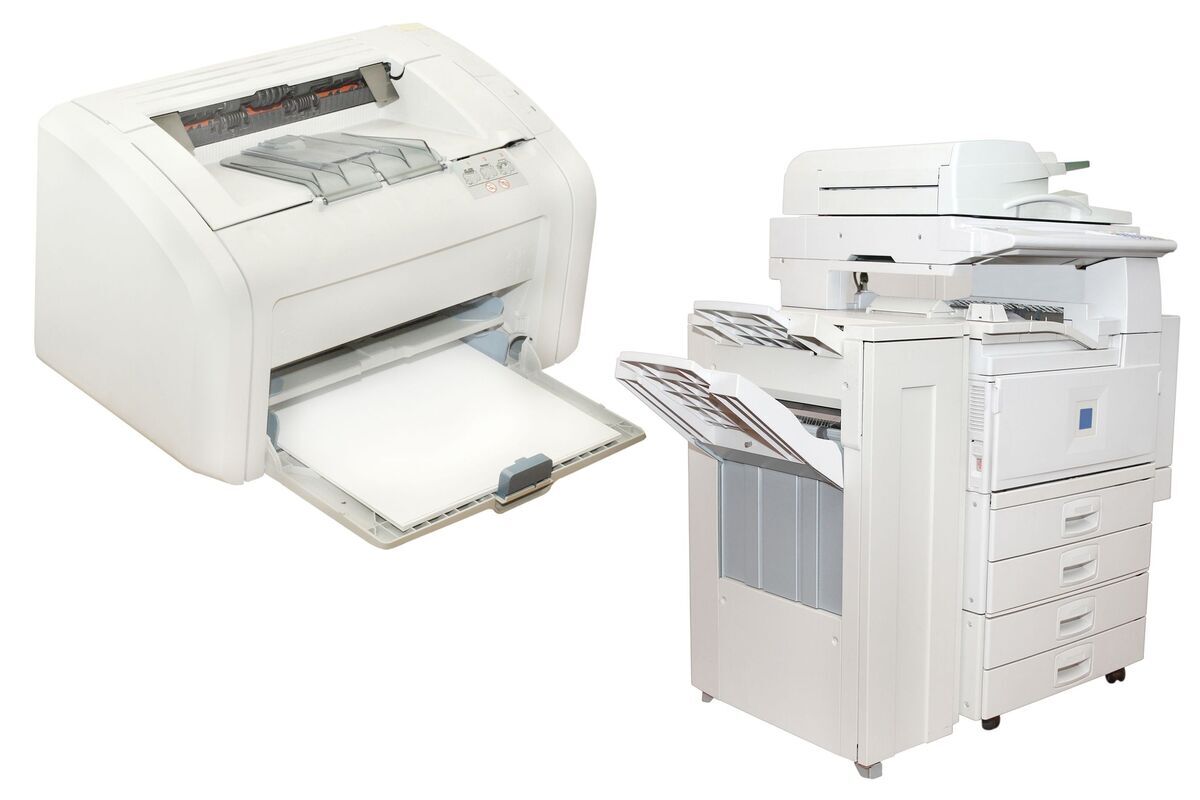
Is your ancient office copier still plugging away, day after day? Upgrading brings better security, lower print costs, and mobile printing your team expects.
Read Full Story »
Posted in: Printers & Copiers
December 19th, 2021
Bells, whistles, and fancy gadgets are more than just 'nice' to have around—they could also significantly increase your company's productivity. Ask us anything.
Read Full Story »
Posted in: Printers & Copiers
December 9th, 2021
Is your company investing in cloud services? If you're currently using a cloud service or considering one, you're in good company. Let us know how we can help.
Read Full Story »
Posted in: Managed IT
November 29th, 2021
Simply put, it depends on various things. Today's multifunction printers and copiers are all largely fast, but there are a few things to consider. Let us help.
Read Full Story »
Posted in: Printers & Copiers
November 17th, 2021
If you're considering purchasing a digital duplicator for your company, browse through our product catalog first and then give us a call. Reach out to us now.
Read Full Story »
Posted in: Printers & Copiers
November 3rd, 2021
As we gain more research and information about how people respond to information, we've learned that color communicates more effectively. Learn more today.
Read Full Story »
Posted in: Printers & Copiers
October 27th, 2021
Although you may end up with larger digital files when you set scanning at this setting, you'll get higher image quality and makes it easier to read documents.
Read Full Story »
Posted in: Document Management
October 14th, 2021
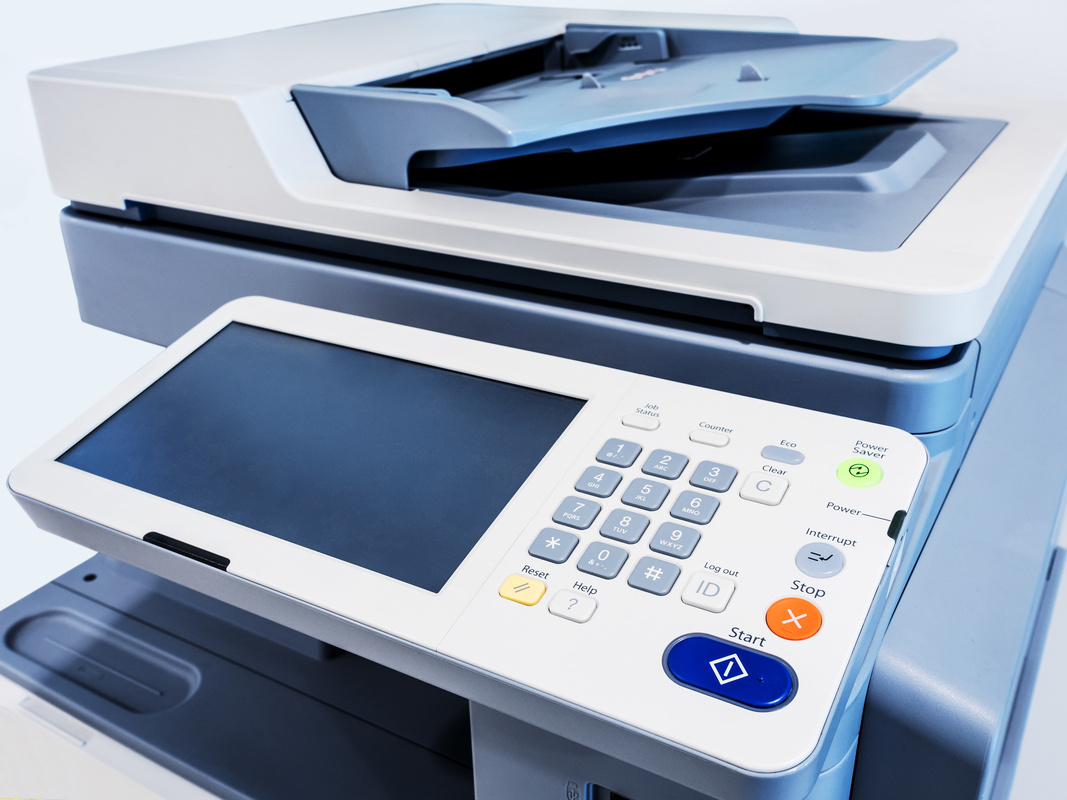
Not all multifunction printers are created equal, and there are a few things you should be looking out for if you're in the market. Contact our team today.
Read Full Story »
Posted in: Printers & Copiers
October 5th, 2021
The math is simple, though: the lower your costs, the higher your overall profit. So why can't we get it right and lower printing costs? Get a quote today.
Read Full Story »
Posted in: Ink & Toner
September 15th, 2021
Whether you're thinking of the latest 'Print is dead' headline you read or the Ghostbusters quote, you've probably heard someone foretelling the end of paper.
Read Full Story »
Posted in: Managed Print
September 10th, 2021
There's no time like now to find out exactly how you can avoid a disastrous data experience. Your data should be protected when printing, emailing and more.
Read Full Story »
Posted in: Managed IT
September 2nd, 2021
Another deal breaker for cheap printers is that no one will aid you when there is breakage. A cheap system could last little longer than a year. Give us a call.
Read Full Story »
Posted in: Printers & Copiers
August 31st, 2021
Renting office equipment will not impact your credit. If you take out a loan to purchase a new copier or another office machine, that may involve your credit.
Read Full Story »
Posted in: Printers & Copiers
August 26th, 2021
This process -- document shredding -- is a regular step used by many businesses. It is the safe disposal of confidential info to guard against identity theft.
Read Full Story »
Posted in: Document Management
August 17th, 2021
The price of ink can end up costing you more than the printer did. If you have many office machines, you'll want to think about Wi-Fi connectivity options.
Read Full Story »
Posted in: Printers & Copiers
August 11th, 2021
Copier leasing rates are lower than purchasing copiers upfront. Copier lease agreements will usually cover service maintenance and repair of crucial parts.
Read Full Story »
Posted in: Printers & Copiers
August 3rd, 2021
Your employees have different levels of needs for copier/print access. However, realize that some employees may not need to print that much at all. Call us now.
Read Full Story »
Posted in: Printers & Copiers
June 29th, 2021
Or should you just enlist copier services/copier renting? The answer to these questions lie within your workday, and you only need to pause and think about it.
Read Full Story »
Posted in: Printers & Copiers
June 17th, 2021
Managed print services help make your printing budget predictable. They know where you're gone in the past and can estimate what will happen in the future.
Read Full Story »
Posted in: Printers & Copiers
June 14th, 2021
You may have the space to go a little bigger, or you might just burden the printing corner. What part does printing play in the daily workflow of your office?
Read Full Story »
Posted in: Printers & Copiers
June 11th, 2021
Giving a strict talk to your workers about overprinting? Network printers are simple to set up and very user-friendly. This alone holds considerable weight.
Read Full Story »
Posted in: Printers & Copiers
June 9th, 2021
What would best serve your company? Leasing a copier machine usually makes sense if you can count on being able to make monthly payments on time. Call us today.
Read Full Story »
Posted in: Printers & Copiers
June 4th, 2021
Businesses are fully capable of having temporary jobs or needs arise. In this case, you may not be fully prepared with the right office equipment. Let us help.
Read Full Story »
Posted in: Printers & Copiers
May 31st, 2021
It may be that fewer employees use a copier than you think. Are you printing simple graphs and flow charts? Does your business perform wide format print jobs?
Read Full Story »
Posted in: Printers & Copiers
May 26th, 2021
Another way it saves time is that you don't have to acquire and apply updates. The maintenance time is reduced freeing you up to spend time on other priorities.
Read Full Story »
Posted in: Printers & Copiers
May 24th, 2021
It takes hard work, research, and sacrifice. There are some ways that come easier than you might think -- like buying refurbished office equipment. Call us now.
Read Full Story »
Posted in: Printers & Copiers
May 20th, 2021
So, if you save a spreadsheet to the cloud, that means it is saved in an internet-based service instead of in a file on your desktop. Let our team help you.
Read Full Story »
Posted in: Managed IT
May 19th, 2021
Maybe you've wasted hours of your own life on this endless search. Document management puts every file at your fingertips, searchable and shareable instantly.
Read Full Story »
Posted in: Document Management
May 17th, 2021
Things probably aren't as bad as all that, but it might be helpful to take a look around and put your finger on what bugs you the most. Talk with our team.
Read Full Story »
Posted in: Document Management
May 14th, 2021
Problems seem to hide around every corner. Managed Print is an easy, reliable solution to the variety of problems you might face when using a shared printer.
Read Full Story »
Posted in: Managed Print